
As everyone settles back into school routines, we’re also stepping into one of the best stargazing seasons of the year. Autumn brings cooler evenings, crisp air, and wide open skies that are perfect for spreading a blanket on the lawn and watching the night unfold.
Here are four celestial events worth keeping an eye on this fall. Plus, don’t forget National Observe the Moon Night on September 19!
September 22: Venus Reaches Maximum Brightness
On September 22, Venus reaches its peak brightness at magnitude −4.8, making it the brightest object in the evening sky besides the Moon. You’ll spot it easily in the west just after sunset with no telescope needed.
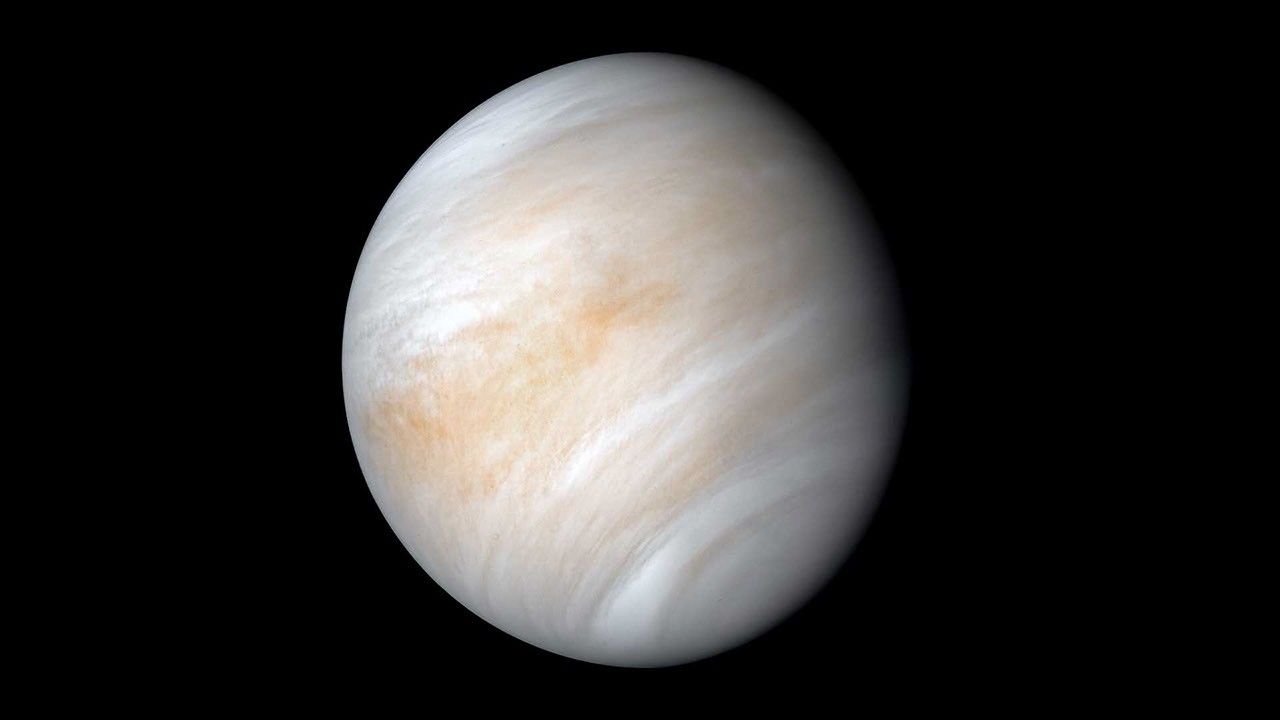
Photo via NASA
If you do have a small telescope, you’ll notice Venus appears as a thin crescent. Only about 22% of its sunlit side faces Earth at this time, giving it that distinctive shape. For the best view, look while the sky is still blue at dusk, about 30–60 minutes after sunset.
October 4: Saturn at Opposition
Saturn reaches “opposition” on October 4, meaning Earth sits directly between Saturn and the Sun. This alignment makes the planet appear brighter, closer, and visible all night long.
Look toward the southeastern sky to spot Saturn’s steady golden glow. Even a simple pair of binoculars will reveal hints of its famous rings, and a small telescope will bring them into even clearer view.
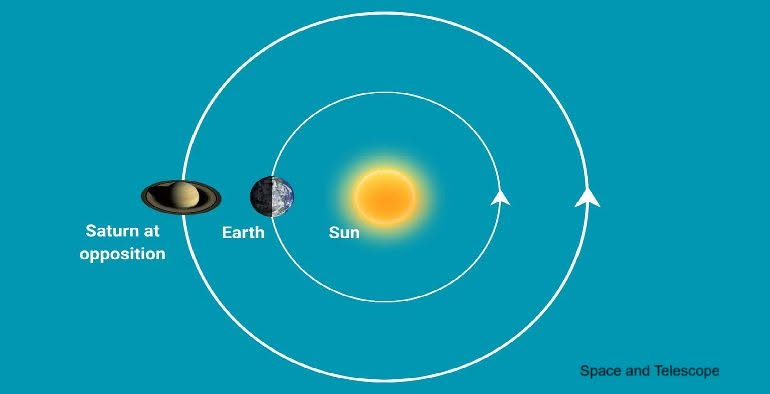
Photo via Spaceandtelescope.com
October 21: Orionids' Meteor Shower Peak
The Orionids meteor shower, created from leftover debris of Halley’s Comet, peaks on October 21. Under dark skies, you can expect to see 10–20 meteors per hour streaking across the sky. This shower is known for its bright, fast meteors and is often considered one of the most beautiful of the year. For the best experience, head somewhere away from city lights after midnight, lie back, and face the southeastern sky.

Photo via NASA/JPL
November 14: Four Planet Alignment
Early on November 14, Mercury, Venus, Mars, and Jupiter will gather together in the morning sky. This “planet parade” happens when several planets line up along the same path, the ecliptic, creating a cluster of planets to observe.
All four planets will be visible without magnification, so you can simply step outside before sunrise and enjoy the view.

Photo via starwalk.space
As everyone settles back into school routines, we’re also stepping into one of the best stargazing seasons of the year. Autumn brings cooler evenings, crisp air, and wide open skies that are perfect for spreading a blanket on the lawn and watching the night unfold.
Here are four celestial events worth keeping an eye on this fall. Plus, don’t forget National Observe the Moon Night on September 19!